2026 Best Packing Machine Types for Global Buyers?
Choosing the right Packing Machine in 2026 requires more than comparing prices, speeds, and attractive product photos. Global buyers must examine product characteristics, packaging materials, factory conditions, and after-sales support together. A machine designed for dry snacks may perform poorly with powder, liquid, or fragile products. Small details matter, including sealing temperature, film alignment, hopper cleaning, and changeover time.
From practical supplier evaluations, reliable decisions begin with verified evidence. Buyers should request test videos, sample packages, technical drawings, and production references from similar industries. A factory visit can reveal maintenance habits that brochures never mention. Look closely at stainless-steel surfaces, wiring quality, guarding, and the control panel interface. Operators should understand the system without constant engineering assistance. Spare parts availability also deserves attention, especially when equipment crosses borders. Regional voltage, language settings, installation conditions, and local service capability can affect performance.
No machine fits every factory.
This guide compares common Packing Machine types for global buyers, including vertical form-fill-seal, premade pouch, vacuum, multi-lane, liquid, and rotary systems. It explains where each option works best and where compromises appear. High speed may reduce flexibility. Lower cost may increase manual labor. Advanced automation may require stronger technical support. These trade-offs are easy to overlook during a sales presentation. A careful buyer should calculate total ownership costs, not only the purchase price. Even a well-built machine can disappoint when unsuitable materials, poor training, or unrealistic output targets are involved. The recommendations below aim to support safer, clearer, and more dependable purchasing decisions across international markets.
What Is a Packing Machine and How Does It Work?
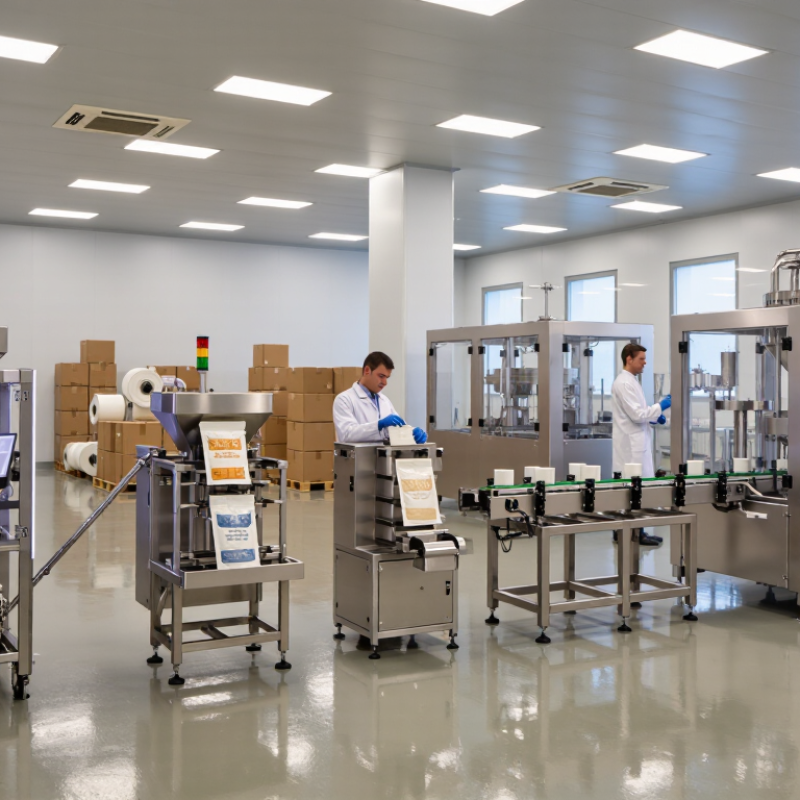
A packing machine prepares products for storage, transport, or sale. It may fill, weigh, seal, wrap, label, or place items into cartons. In practical line evaluations, the machine works like a coordinated sequence. A sensor detects the product. A dosing system measures it. The filling unit releases the correct amount. Then sealing tools close the package, while a control panel checks timing and movement.
The process depends on product features. Powder, liquid, fragile goods, and irregular items need different handling methods. A multihead weigher may suit solid pieces, while an auger filler often handles dry powder. Film temperature, sealing pressure, and conveyor speed must remain balanced. Small changes can cause wrinkles, weak seals, or product loss. A perfect setup rarely exists. Operators should test real materials, not only rely on catalog data. Clear manuals, spare-part access, emergency stops, and electrical compatibility also matter for global buyers.
Tips: Request a sample test before purchasing. Measure your target speed using actual products and packaging film. Check whether operators can adjust settings without special tools. Leave space for cleaning and maintenance. Review local electrical and safety requirements early. A machine that runs quickly but creates frequent downtime may cost more over time. Even experienced teams can overlook humidity, dust, or unstable product sizes. Careful observation often reveals the real limitation.
Which Types of Packing Machines Are Available in 2026?
Packing machine choices in 2026 are broader than many buyers expect. Vertical form-fill-seal machines handle powders, granules, and snacks. Horizontal flow wrappers suit bakery products and individual portions. Premade pouch machines offer clean presentation and quick format changes. Cartoning machines load bottles, sachets, or trays into retail cartons. For transport packaging, case packers and palletizing systems reduce repetitive manual work.
Grand View Research valued the global packaging machinery market at about USD 52.83 billion in 2023. Its report forecasts a 4.7% compound annual growth rate from 2024 to 2030. That growth supports wider adoption of automated fillers, cappers, labelers, and inspection units. PMMI’s 2024 State of the Industry report also highlights labor shortages and automation pressure. The practical choice is not always the fastest machine. A slower line with stable changeovers may produce better output.
Thermoforming machines create trays from roll stock, while vacuum packers remove air from selected food products. Stick-pack and sachet systems serve small-dose products. Robotic pick-and-place units connect several stages with fewer operators. However, integration can become expensive. I would not specify a machine from product speed alone. Test the actual material, seal strength, dust level, and cleaning routine. A small trial often reveals problems that a sales specification misses. That lesson remains easy to overlook.
How to Match Packing Machines with Products and Packaging Materials?
2026 Best Packing Machine Types for Global Buyers?
Choosing a packing machine starts with the product, not the machine catalogue. Powders need controlled auger filling because dust can distort weight and contaminate seals. Liquids usually require piston or flow-meter fillers with drip-free nozzles. Granules often suit multihead weighers, especially when size and density vary. Fragile snacks need gentle handling, limited drop height, and accurate film tension.
Packaging material changes the decision again. Flexible laminated film may work with vertical or horizontal form-fill-seal equipment, but seal temperature must match its structure. Paper-based materials can require longer dwell time and stronger pressure. Glass containers need stable conveyors, careful spacing, and reliable capping control. For cartons, check board stiffness before choosing folding, filling, or closing equipment.
Small trials matter. A machine may achieve its advertised speed with uniform product, yet real production includes humidity, clumping, and uneven pieces. I have seen buyers focus on output and overlook cleaning access. That mistake becomes expensive. Request samples using your actual product and material. Measure weight accuracy, seal strength, changeover time, and reject rates. Also verify electrical compatibility, operator training, spare-part availability, and regional service capacity. One detail is easy to miss: a perfect package can still fail if the material roll wanders during sealing.
What Features Matter When Choosing a Machine for Global Operations?
Choosing a packing machine for global operations requires more than speed. The machine must survive different voltages, climates, languages, and maintenance practices. Vertical form-fill-seal, cartoning, and case-packing systems each need flexible controls and reliable changeovers.
PMMI reported that U.S. packaging machinery shipments exceeded 10 billion dollars in 2022, showing strong investment in automation. However, capacity alone can mislead buyers. Ask for measured cycle rates, seal-quality data, and changeover times using your actual materials. A ten-minute changeover sounds useful until operators need forty minutes to clean and recalibrate the machine.
Remote diagnostics, multilingual interfaces, recipe protection, and widely available spare parts matter greatly. Open communication protocols can simplify integration with weighing, inspection, and warehouse systems.
541,302 The International Federation of Robotics recorded 541,302 industrial robot installations worldwide in 2023.
That figure reflects growing automation, but it does not guarantee dependable production.
Energy consumption deserves closer attention. Request power usage per packed unit, not only the motor rating. Check guarding, emergency stops, documentation, and conformity with the destination market’s safety requirements. Hygienic design also matters when dust, moisture, or frequent washdown is expected.
Small details count. A poorly placed sensor can stop an entire line.
I would not choose the most automated option automatically. Skilled local technicians may be limited, and advanced software can become a weakness without training. Trial the machine with real film, cartons, products, and operators. Reports provide direction; factory evidence should make the final decision.
How to Compare Costs, Compliance, Installation, and After-Sales Support?
When comparing packing machine types, purchase price is only the visible cost. PMMI reported that North American packaging machinery sales reached about USD 10.2 billion in 2023. Buyers should calculate film waste, electricity, changeover labor, spare parts, and downtime. A cheaper machine may lose its advantage after frequent format changes. Request a five-year total-cost model with actual production data, not optimistic estimates.
Compliance needs technical evidence. Check risk assessments under ISO 12100, guarding, emergency stops, electrical documentation, and food-contact materials where applicable. The EU Machinery Regulation 2023/1230 will apply from January 20, 2027, so exporters should review digital documentation and cybersecurity expectations early. World Robotics 2024 recorded 541,302 industrial robot installations worldwide in 2023. That growth shows automation demand, but it does not remove operator-training duties. A fast machine can still be unsafe.
Installation details often decide the real launch date. Confirm floor loading, compressed-air quality, voltage, ventilation, network access, and packaging-material tolerances. Ask for factory acceptance tests using your actual products. After-sales support should include response times, remote diagnostics, local technicians, and a stocked critical-spares list. I have seen projects delayed by one missing sensor. That sounds minor. It is not. Buyers should also test whether manuals are readable and whether technicians can explain troubleshooting without vague promises. A perfect specification sheet cannot repair weak service planning.
2026 Best Packing Machine Types for Global Buyers
The chart compares typical commercial throughput ranges reported for major machine categories. VFFS and cartoning systems generally offer higher output, while premade-pouch and cup-filling machines can simplify format changes and product handling. Final cost, compliance, installation requirements, and after-sales support should be verified against the target country, product, packaging material, utilities, and required certifications.
Related Posts
-
China Top Packing Machine Manufacturers for Global Buyers
-
What is a Food Packing Machine? Exploring the 2023 Market Trends and Innovations
-
Why Choose Automated Packaging Equipment Systems?
-
Top Automated Packaging Line Solutions for Your Business Needs?
-
Top Tips for Choosing a Pouch Packing Machine for Your Business?
-
How to Choose the Right Sachet Packing Machine for Your Business Needs