Why Choose Automated Packaging Equipment Systems?
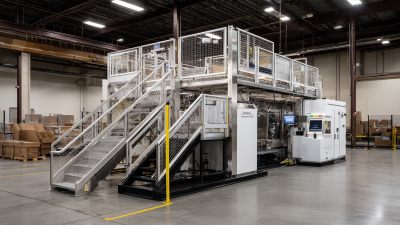
Packaging Equipment Systems are changing how manufacturers handle speed, consistency, and production pressure. A modern line can fill containers, apply closures, inspect labels, and prepare cases with fewer manual interruptions. Sensors monitor product flow, while programmable controls adjust settings within seconds. This matters when demand shifts between small batches and high-volume orders.
The strongest case for automation comes from measurable experience. Operators often see fewer packing errors, steadier cycle times, and better use of floor space. A carton former may reduce repetitive lifting. A vision inspection camera can identify a crooked label before the case reaches shipping. Small improvements become significant across thousands of units. Still, automation is not magic. That assumption fails.
Reliable systems require thoughtful planning. Engineers must match equipment speed with upstream production, product shape, packaging material, and available labor skills. Safety guarding, emergency stops, sanitation access, and documented maintenance procedures also deserve attention. Reputable suppliers should provide testing records, training, spare-parts guidance, and realistic performance data. Claims should be verified under actual operating conditions, not only in a showroom.
There is also a human consideration. Automation can reduce tiring tasks, yet it may create new technical responsibilities. Teams need time to learn controls, diagnose alarms, and improve changeover routines. An expensive system can underperform when installation, training, or maintenance is overlooked. Careful evaluation helps businesses choose equipment that supports quality, compliance, and long-term resilience. The best decision may not be the fastest machine. It may be the most dependable fit.
Market Context: A 7.3% CAGR Forecast for Packaging Automation, 2024–2030
Packaging automation is entering a faster investment cycle. A 7.3% CAGR forecast for 2024–2030 signals sustained demand across food, medicine, household goods, and industrial products. This growth reflects labor shortages, tighter quality expectations, and rising pressure to reduce material waste. It is a forecast, not a guarantee.
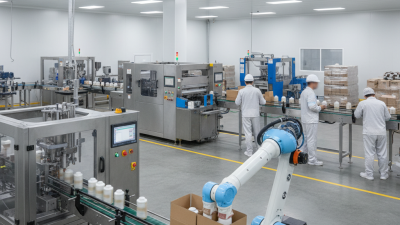
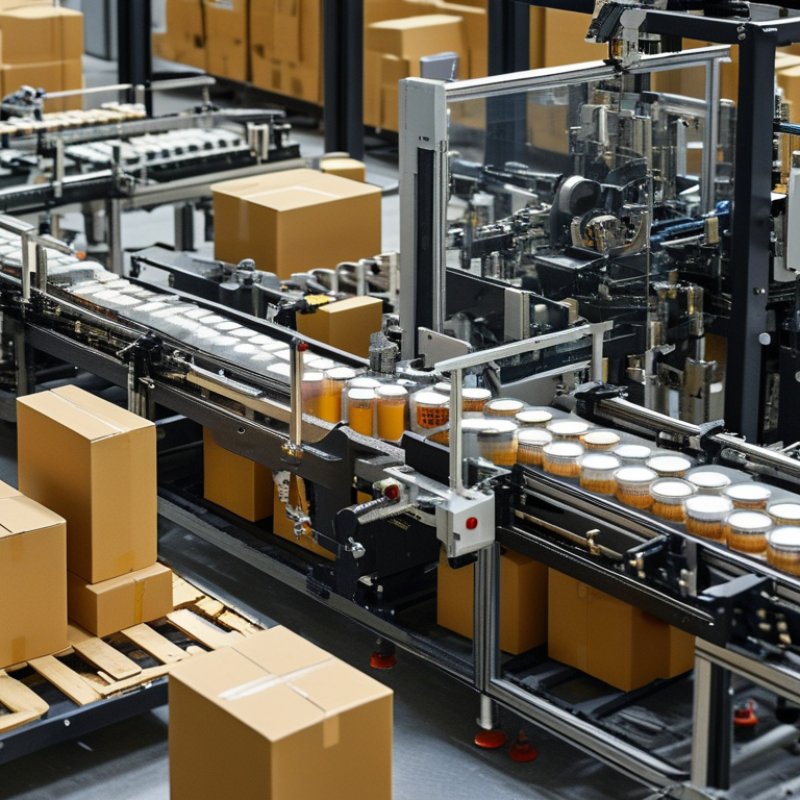
Automated packaging equipment systems can coordinate filling, sealing, labeling, inspection, and case packing. In a well-designed line, sensors detect an uneven container before it reaches the sealing unit. Operators can monitor production data, adjust settings, and respond to stoppages with less guesswork. The practical value is consistency. It is not just speed.
However, automation does not fix poor process design. A company may purchase advanced equipment and still experience delays because materials vary, changeovers take too long, or staff lack training. I have seen small alignment errors create repeated packaging defects throughout a shift. Those lessons matter. Equipment selection should follow measured production needs, maintenance capacity, safety requirements, and expected volume. A modular system may serve a growing operation better than an oversized installation. The forecast suggests opportunity, but careful evaluation remains essential.
System Architecture: PLCs, Vision, Robotics, Conveyors, and IIoT
Why Choose Automated Packaging Equipment Systems?
System Architecture: PLCs, Vision, Robotics, Conveyors, and IIoT
A strong packaging system begins with a dependable PLC, which coordinates sensors, motors, safety circuits, and production timing. In practical installations, clear signal mapping prevents small wiring errors from becoming long stoppages. Vision systems inspect labels, seals, dates, and package positions before products move forward. Good lighting matters as much as camera resolution. Without it, inspection results can become inconsistent.
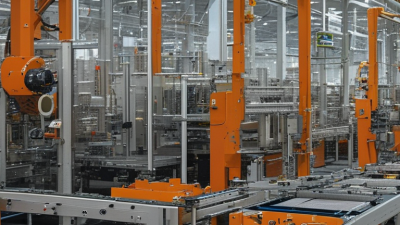
Robotic units handle repetitive picking, case packing, and palletizing with controlled motion. Conveyors connect each station, but their speed must match robot cycles and inspection decisions. IIoT sensors add useful visibility by tracking downtime, temperature, air pressure, and maintenance warnings. Operators can review trends instead of relying only on memory. Still, integration is rarely perfect. Data may arrive late, and an impressive dashboard cannot repair poor mechanical alignment.
Tips: Define ownership for every signal and alarm. Test fault recovery with empty containers before production trials. Keep manual controls available for safe diagnosis. Review false vision rejects weekly, because excessive sensitivity can waste good products. Document every change, even small timing adjustments. A simple architecture is often easier to validate, train, and maintain. Experienced technicians should verify safety functions independently, rather than trusting software indicators alone.
Why Choose Automated Packaging Equipment Systems?
Typical response and update intervals across a connected packaging system architecture.
Representative engineering timing targets: PLC and motion control operate in milliseconds, while IIoT data is commonly transmitted at slower supervisory intervals.
Performance Metrics: OEE, Throughput, Changeovers, and Error Rates
Automated packaging equipment earns its value through measurable performance, not impressive screens. Overall Equipment Effectiveness (OEE) combines availability, performance, and quality. The OEE Foundation identifies 85% as a world-class reference, while many factories operate near 60%. That gap often hides small stoppages, slow cycles, and rejected packs. Throughput should be tracked beside OEE. A line may show strong OEE but still miss daily volume because its designed speed is too low. Deloitte’s 2023 Smart Manufacturing Survey found that 86% of manufacturers expect smart operations to strengthen competitiveness within five years. The expectation is strong. The execution is less certain.
Changeover time exposes another practical advantage. Automated recipes, guided adjustments, and tool-free components can reduce a 45-minute format change to 20 minutes. That difference may create an extra production window each shift. Error rates also deserve attention. Count misfeeds, incorrect labels, damaged cartons, and rejected seals separately. A single “quality” number can conceal the real problem. In my experience, teams sometimes automate too quickly and measure too little. That is an expensive blind spot.
Tips: Record baseline results for two weeks before installation. Track OEE, cases per hour, changeover minutes, and errors per thousand packs. Review downtime codes weekly. Do not trust perfect data immediately; operators may classify stops differently. PMMI industry research repeatedly highlights workforce and operational pressures, so use simple dashboards and clear training. Better numbers help, but better questions matter more.
Industry Benchmark: IFR Logged 541,302 Industrial Robot Installations in 2023
The International Federation of Robotics’ World Robotics 2024 report logged 541,302 industrial robot installations worldwide in 2023. That was the second-highest annual total recorded, despite a 2% year-on-year decline. These figures change the packaging conversation. Automation is no longer only a speed project. At a packaging line, robotic loading can repeat carton placement every cycle, while sensors check position and seal presence. Operators can then focus on replenishment, quality checks, and abnormal conditions. That division of work matters when hiring remains difficult. The U.S. Bureau of Labor Statistics projects 15% employment growth for industrial machinery mechanics, maintenance workers, and millwrights from 2023 to 2033.
A sound system needs more than a robot arm. It needs accurate feeding, safe guarding, changeover controls, traceability, and maintainable software. The Packaging Machinery Manufacturers Institute’s 2024 State of the Industry report identifies labor availability and flexible production as continuing investment pressures. Still, automation can disappoint. Poorly sized conveyors create jams. Unclear changeover instructions create waste. Integration costs are often underestimated. These are not reasons to reject automation. They are reasons to test the full workflow before purchase. A short pilot should measure cycle time, uptime, rejects, changeover minutes, and operator interventions. Those numbers expose weak assumptions. Perhaps the most honest benchmark is not robot count, but stable output during a difficult shift.
Investment Criteria: ROI, Payback, Safety, and Compliance Costs
Choosing automated packaging equipment requires more than comparing purchase prices. A practical ROI review should include labor savings, output gains, reduced product damage, maintenance, energy use, and integration costs. Use real production records whenever possible. A spreadsheet built from estimates can look impressive, yet fail on the factory floor.
Payback should reflect actual operating conditions. If equipment costs $180,000 and creates $60,000 in annual measurable benefits, the simple payback is three years. That figure may change with overtime, seasonal demand, downtime, or operator training. Shorter payback is attractive, but the cheapest option is not always the safest investment. Leave room for repairs and slower ramp-up.
Safety and compliance costs also belong in the original budget. Consider guarding, emergency stops, ergonomic improvements, risk assessments, training, inspections, and documented procedures. Compliance may require testing, traceability records, software validation, or controlled design changes. These expenses protect workers and reduce disruption during audits. Do not hide them in a later phase. A useful review asks difficult questions: Who maintains the system at night? What happens during a sensor failure? Can operators clean it safely? Some assumptions will be wrong. Updating the model after pilot production is wiser than defending an unrealistic forecast.