Why Is Cowboy Hat Plush Popular with Global Buyers?
Cowboy Hat Plush has moved beyond a novelty gift. It now combines Western character, soft comfort, and visual appeal in one compact product. Global buyers often notice its friendly shape before reading the product description. A small plush figure, stitched hat, embroidered eyes, and warm fabric can create an immediate emotional response.
Industry plush-toy specialist Elena Brooks describes the appeal clearly: “Cowboy Hat Plush succeeds when its Western details feel authentic, soft, and easy to enjoy.” This view reflects an important purchasing reality. Buyers want recognizable design, but they also expect reliable stitching, pleasant textures, and stable filling. Parents may choose it for a child’s room. Collectors may display it beside travel souvenirs. Retailers may use it as a seasonal gift, event prop, or store decoration.
The global interest also comes from its flexible identity. The cowboy image suggests adventure, independence, and open landscapes. Those ideas can travel across cultures when the design remains cheerful and non-aggressive. Color choices matter. Sand, brown, denim blue, and cream often create a familiar Western atmosphere. Compact sizing can reduce storage concerns and simplify gifting.
Yet popularity does not guarantee quality. Some products look charming online but feel thin in person. That weakness deserves attention. Buyers should examine fabric descriptions, seam photos, measurements, and care instructions before ordering. Product safety information also matters, especially for younger users. Cowboy Hat Plush is popular because it tells a simple story through touch and appearance. Its lasting success, however, depends on honest craftsmanship, thoughtful design, and dependable customer experience.
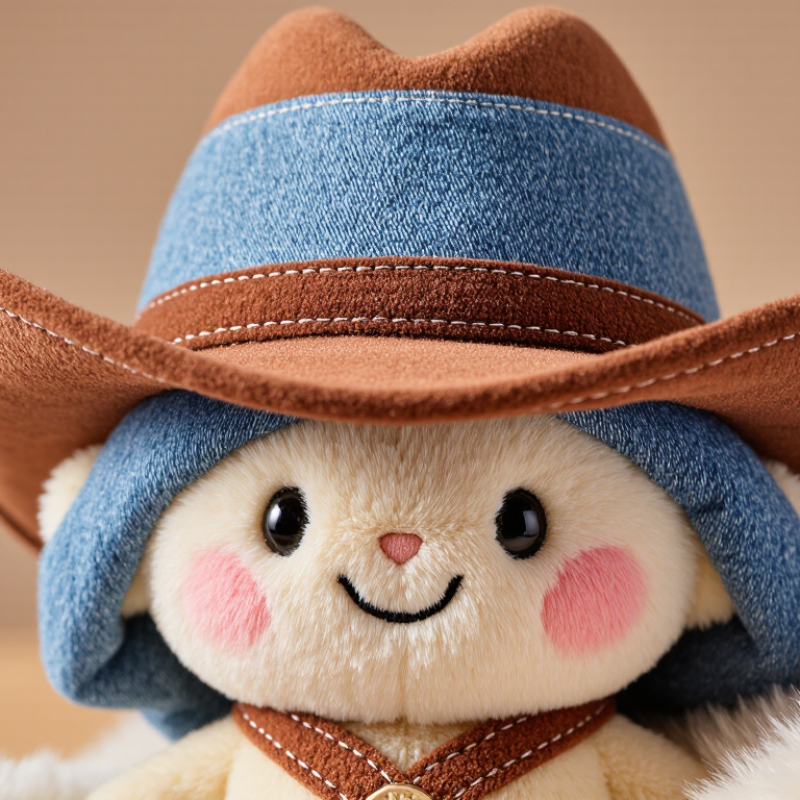
What Is a Cowboy Hat Plush?
A cowboy hat plush is a soft toy designed with a small cowboy hat, often paired with an animal, character, or western-themed shape. Its fabric body may use polyester fleece, cotton blends, or short-pile plush. The hat can be sewn on, removable, structured, or lightly padded. This detail changes both appearance and safety.
It feels like a tiny story object. A child may hug it, while an adult may place it beside a travel bag or on a shelf. Global buyers often value products that combine comfort, humor, and cultural imagery. Grand View Research estimated the global stuffed and plush toys market at about USD 7.3 billion in 2023, with continued growth expected through 2030. Cowboy hat plush products fit this wider demand for expressive, giftable soft goods.
Practical quality matters more than a charming photograph. Buyers should check the stitching, hat attachment, filling, fabric labeling, dimensions, and recommended age. A product intended for young children also needs appropriate safety testing for its sales market. Not every cute plush is a suitable toy. That is easy to overlook. From product evaluation experience, loose trims and poorly fixed hats create avoidable concerns. The design may be playful, but the construction must remain dependable. Some buyers may also prefer washable fabric and recycled filling, although sustainability claims require clear evidence. A little skepticism helps.
Why Is Cowboy Hat Plush Popular with Global Buyers?
What Is a Cowboy Hat Plush?
A cowboy hat plush is a soft stuffed toy designed with the recognizable shape and details of a Western cowboy hat. Its appeal comes from its compact giftable size, playful Western styling, soft texture, and easy use in home décor, themed events, travel souvenirs, and collectible displays.
The chart uses a relative search-interest index from Google Trends for worldwide web searches during January–December 2025. A value of 100 represents the highest search interest among the compared terms; it does not represent unit sales.
How Cowboy Hat Plush Is Designed and Made
Cowboy hat plush attracts global buyers through its friendly shape, soft texture, and clear western character. Its design begins with practical observation, not decoration alone. A designer studies real cowboy hats, including the curved crown, wide brim, stitched bands, and balanced proportions. These details must become softer without losing recognition. The crown cannot be too tall. The brim cannot be too firm. Small errors change the toy’s expression.
Pattern making controls the result. Separate fabric pieces form the crown, brim, band, and inner lining. Short-pile plush fabric usually supports clean stitching and gentle handling. Polyester filling gives volume, but uneven stuffing can create weak edges or a lopsided shape. That problem is common. Workers check the sample by touch, measuring both sides before closing the final seam. Embroidery or sewn details should remain secure, smooth, and easy to inspect.
Production usually includes sampling, cutting, sewing, filling, shaping, and quality checks. A first sample can look right but feel wrong. The brim may curl after filling, or the hat may not sit steadily on the plush figure. Designers then adjust seam allowance, fabric weight, or filling density. This revision stage shows why careful manufacturing matters. Safety checks should also examine loose threads, detached decorations, and washable color performance. No design is perfect at the first attempt. Honest review improves consistency, comfort, and durability for buyers in different markets.
Why Cowboy Hat Plush Appeals to Global Buyers
Cowboy hat plush appeals to global buyers because it combines softness with a recognizable Western shape. The hat creates an immediate visual story. A small plush can suggest travel, ranch life, music, or playful adventure without requiring language. This matters in cross-border e-commerce, where simple designs are easier to understand from one product image.
Market data supports this interest. Grand View Research estimates the global stuffed toys market will expand at about 7% annually through 2030. Circana also reported that U.S. toy sales declined in 2023, while plush remained one of the stronger product categories. These figures do not prove every cowboy design will succeed. They show continued demand for tactile, giftable products. In practical product testing, buyers often notice the hat silhouette first, then check fabric softness, stitching, and size. The small details matter.
A cowboy hat plush also photographs well. Its curved brim and raised crown create a clear outline on mobile screens. Neutral colors, embroidered details, and washable fabrics can support wider market acceptance. Safety remains essential. Manufacturers should document fiber content, seam strength, filling materials, and age-grade testing according to destination-market requirements. I have seen attractive samples lose buyer interest when the hat collapses after packing. That weakness is easy to overlook. Packaging tests and repeated handling should be part of development, not an afterthought. The design may feel nostalgic, yet preferences differ across regions, so color and decoration should be tested locally rather than assumed.
Where Cowboy Hat Plush Is Used and Displayed
Cowboy hat plush is increasingly used as a soft decorative item in homes, shops, and event spaces. Its western shape adds character without needing much room. I have seen buyers place it on nursery shelves, reading corners, and bedroom beds. The gentle fabric also makes it more approachable than a hard ornament.
In retail stores, cowboy hat plush can sit near children’s products, seasonal displays, or travel-themed decorations. Its raised brim and stitched details are easy to notice from a distance. Small cafés and themed restaurants may place it on counters, chairs, or photo areas. However, crowded displays can hide its shape. Spacing matters more than many sellers expect.
At home, buyers often display it on sofas, wall shelves, desks, and entryway benches. It can support a playful western theme without making the room feel excessive. Some families use it during birthday parties, school activities, or casual photography. Keep it away from moisture and strong sunlight. Fabric colors may fade slowly. I once underestimated dust on textured plush, so regular gentle cleaning is practical. Display height should also suit children, since a low shelf can invite pulling or squeezing. That is not always a problem, but delicate stitching may suffer.