What Are the Top Types of Check Valves?
A Check Valve helps keep fluid moving in the intended direction by closing when flow reverses. That simple action matters in pump discharge lines, water systems, and process piping, where reverse flow can strain equipment or disrupt operation. Yet “check valve” describes a family of designs, not one universal solution. The details matter.
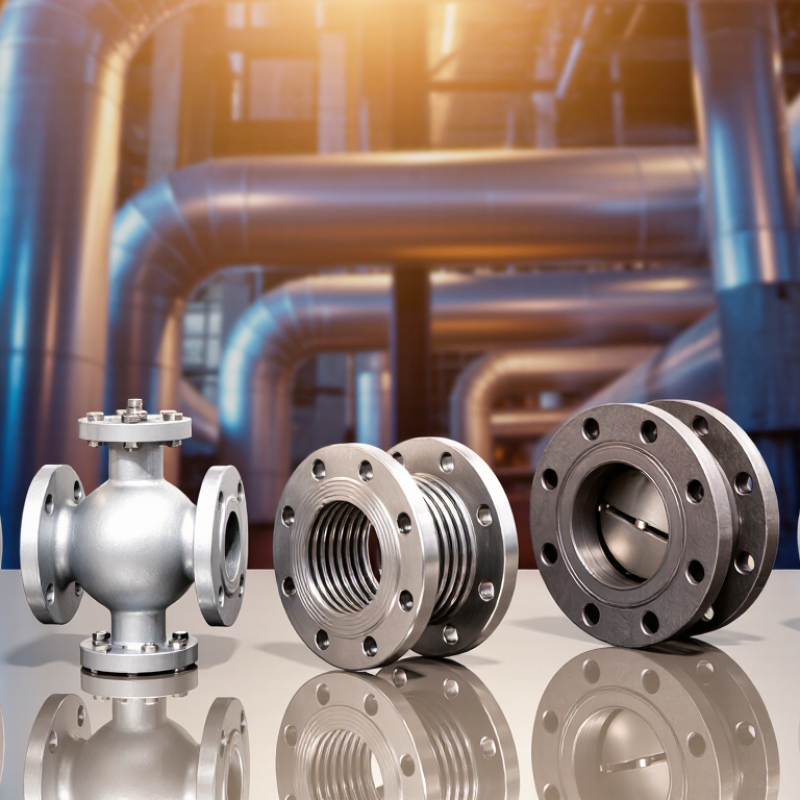
Common types include swing, lift, dual-plate, tilting-disc, and ball check valves. Their closing mechanisms and flow paths differ. A swing valve uses a hinged disc; a dual-plate model uses two spring-assisted plates and often fits tighter spaces. These differences affect pressure loss, installation orientation, response to changing flow, and maintenance needs. A compact body may be useful, but it does not automatically make a valve suitable for every service.
Market context reinforces why informed selection matters. Grand View Research’s Industrial Valves Market Size, Share & Trends Analysis Report estimated the global industrial valves market at USD 79.4 billion in 2023 and projected a 5.3% compound annual growth rate from 2024 to 2030. That figure covers industrial valves broadly, not check valves alone, so it should not be read as a check-valve market estimate. Still, it reflects the scale of equipment used across industrial systems. This guide compares the top check valve types, explains where each design may fit, and highlights practical selection factors such as flow conditions, fluid properties, and installation constraints. No single design wins everywhere. Real systems can be less tidy than a product chart suggests.
How Check Valves Prevent Reverse Flow
A check valve allows fluid to move in one direction and closes when flow reverses. This helps protect pumps, piping, and equipment from backflow. The valve usually responds to a pressure difference: forward pressure opens it, while reverse pressure pushes its closing element against a seat. It works automatically. No external control is typically needed.
Different designs handle this action in different ways. A swing check uses a hinged disc and often suits steady flow in larger lines. Lift checks move a disc or piston vertically, but may create more pressure loss. Ball checks use a ball as the closing element and can work well with some viscous fluids. Dual-plate checks use two spring-loaded plates and can reduce water hammer in suitable systems. A common mistake is treating these types as interchangeable. Flow rate, fluid, installation direction, and pressure all matter.
Tips: Check the flow arrow and installation orientation before fitting a valve. Match the valve’s materials and pressure rating to the service conditions. Listen for repeated knocking after startup; it may signal rapid closure or unstable flow. A small detail, but easy to miss. When symptoms persist, inspect the seating surface and confirm the system’s operating conditions rather than replacing parts by guesswork.
Swing Check Valves
Swing Check Valves
A swing check valve uses a hinged disc that moves away from its seat when fluid flows forward. When flow slows or reverses, the disc swings back to help prevent backflow. The design is common in water and process piping, especially where a relatively open flow path is useful. In a properly selected valve, that path can limit pressure loss. But the disc needs enough forward flow to open fully. Low or fluctuating flow may cause chatter, wear, or incomplete closure. It is a practical design, not a universal fix.
Tips: Check the valve’s pressure, temperature, and fluid ratings before installation. Follow its specified orientation; many models suit horizontal piping, while vertical installation depends on the design. Leave room to inspect or service the disc.
Pay attention to how quickly flow can stop. A swinging disc may close hard when flow reverses suddenly, creating water hammer in some systems. That detail is easy to overlook. If the line has pumps that start and stop frequently, or flow that changes sharply, compare the valve’s closing behavior with the system conditions. Sizing also matters: an oversized valve may not open reliably at low flow. Use manufacturer data and qualified engineering review when operating conditions are uncertain.
Ball and Diaphragm Check Valves
Ball check valves use a movable ball to control flow. Forward pressure lifts the ball from its seat, allowing liquid through. When flow stops or reverses, the ball returns and blocks backflow. Simple in principle. Fit matters: valve orientation, ball material, and seat design affect performance. Some models handle fluids with suspended particles, but solids can still lodge near the seat.
Diaphragm check valves use a flexible membrane that bends open under forward pressure and closes when pressure falls. Their flow path can reduce places where residue collects, which may help in some sanitary or chemically demanding systems. The diaphragm material must suit the fluid and operating temperature. A mismatch can lead to swelling, cracking, or early failure.
Choosing between them takes more than comparing purchase prices. Check the expected flow rate, pressure range, installation position, and maintenance access. A ball valve may suit a line that needs a straightforward closure; a diaphragm design may be preferable where material compatibility is central. Neither choice is automatic. I would also verify the manufacturer’s pressure-drop and service data, since assumptions based on valve type alone can miss important details.
Top Types of Check Valves: Ball and Diaphragm
Both valve types allow flow in one direction and help prevent reverse flow. Ball check valves use a ball as the closure element; diaphragm check valves use a flexible diaphragm. The chart shows core design features, not comparative performance ratings.
Wafer and Dual-Plate Check Valves
Wafer check valves fit between pipe flanges, saving space where a swing-check body may be awkward. Dual-plate designs use two hinged plates and often springs to encourage quicker closure. Their compact profile can reduce installation weight, but actual pressure loss depends on flow rate, valve size, and disc design. Small details matter.
API Standard 594 provides a useful industry reference: its scope covers check valves from NPS 2 to 48 and pressure classes up to 2500, depending on design. This is a specification range, not a promise that every wafer or dual-plate model suits every line. In the field, confirm the valve’s pressure-temperature rating, minimum flow requirements, and permitted mounting position. Low flow can leave plates unstable, causing chatter or wear; the right selection is not always obvious.
Tips: Check the flange standard and face-to-face dimensions before ordering. Verify flow direction on the body arrow, then compare the valve’s pressure-drop curve with the system’s expected operating range. API 594 helps frame the selection, but it cannot replace application-specific review.