


Offset Printing Inspection Tips for Quality Assurance and Success
In the world of offset printing, quality assurance is critical. Effective Offset Printing Inspection can make the difference between a successful print run and costly errors. The process requires an experienced eye to detect even the slightest inconsistencies in print quality. Mistakes in color, alignment, or paper quality can undermine the entire project.
Having a robust inspection protocol is essential. It starts with understanding the specific needs of each print job. Operators must be trained to spot potential issues early. Common pitfalls include inadequate color matching and unexpected ink smudging. Both can stem from incorrect setup or faulty materials. These oversights can lead to reprints, affecting timelines and budgets.
However, even the best systems aren't foolproof. Continuous reflection on the inspection process can reveal gaps in quality control. Learning from past mistakes enhances future performance. Ultimately, mastering Offset Printing Inspection leads to improved efficiency and client satisfaction. Striving for perfection is vital, but acknowledging imperfections is equally important.
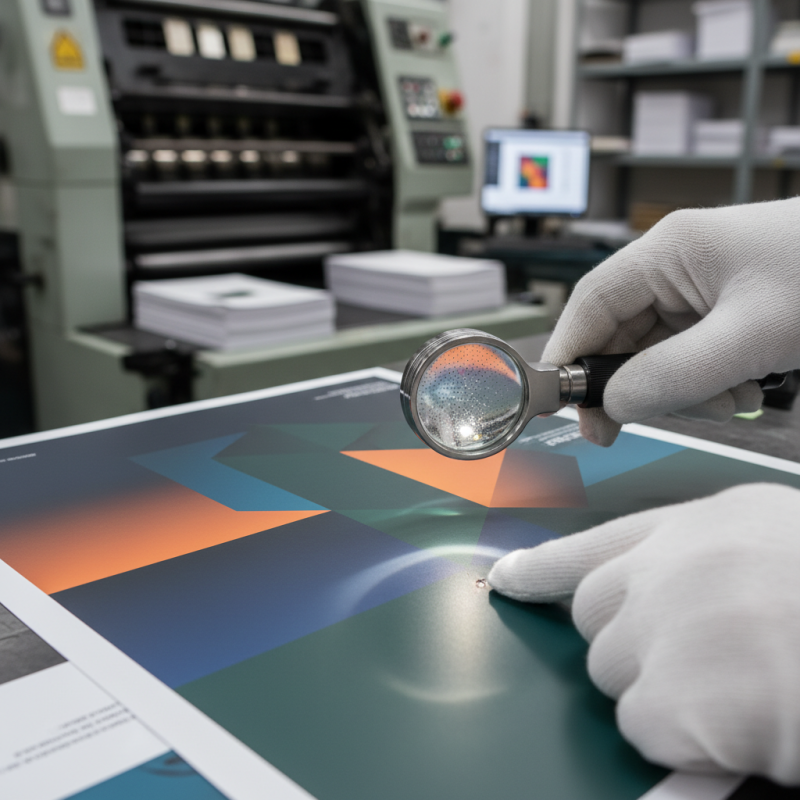
Understanding the Basics of Offset Printing Inspection Techniques
Offset printing is a complex process. Understanding inspection techniques is key to achieving quality output. Inspecting printed materials ensures that color, alignment, and registration meet the desired standards. Regular inspection helps in identifying issues early. This can prevent waste and improve success.
One vital tip is to use color control tools. These can help detect color variations. Keeping a color reference guide handy is also beneficial. Make sure to compare your printed samples with the benchmark regularly. A consistent approach will foster quality.
Another important aspect is the examination of paper quality. Check for defects like wrinkles or uneven surfaces. These can impact the final print. Don’t overlook small details. Even minor flaws can lead to significant issues later on. Gathering consistent feedback from the team can also provide insights into recurring problems. Emphasizing the need for thorough inspections will enhance the overall printing process.
Key Quality Metrics to Evaluate in Offset Printing Process
In offset printing, quality assurance is crucial. Several key metrics can help in evaluating the printing process. One important metric is color accuracy. It is vital to ensure that colors match the provided samples. This can be evaluated using spectrophotometers. They can provide precise color readings. Minor deviations can affect brand consistency.
Another metric to monitor is registration. Poor registration can lead to misalignments in graphics and text. Regular checks during the setup can minimize these issues. Keeping an eye on ink density is also essential. Too much ink can result in smudging. Too little ink leads to faded prints. Finding the right balance is often a trial-and-error process.
Finally, paper quality affects the final product. Variability in thickness can cause problems in printing. Constantly assess the paper before usage. Each of these metrics contributes to the overall success of a project. Attention to detail is needed. Even the most experienced operators might overlook small imperfections. Regular training and reviews can help maintain high standards in offset printing.
Common Defects and Their Impact on Print Quality
In offset printing, quality assurance is vital. Common defects such as color inconsistency can significantly degrade print results. This defect occurs when ink does not transfer evenly. The result can be a stark contrast in shades that ruins a cohesive design. Regular calibration of printing presses is essential to minimize this issue.
Another frequent challenge is misregistration. This happens when the colors of a print run do not align properly. The outcome can lead to blurry images or overlapping colors, distracting from the intended message. Quality inspection during setup can prevent this from becoming a widespread problem. Operators should conduct visual checks frequently.
Additionally, issues like ghosting can arise. This refers to unwanted repeated images that can appear on prints. Ghosting can stem from improper ink viscosity or wear on printing plates. These factors may go unnoticed without thorough inspection. It requires keen eyes to catch these defects early and make adjustments as needed. Regular training on defect recognition is beneficial for all operators.
Step-by-Step Guide to Conducting a Thorough Print Inspection
Conducting a thorough print inspection is crucial in offset printing. A quality inspection process helps ensure the final product meets industry standards. According to a recent report by the Printing Industries of America, about 30% of printing errors go unnoticed during the initial quality check. This highlights the need for a systematic approach.
Begin by examining samples from the print run. Check color consistency and registration accuracy. Look for any visible defects, such as blurriness or ink smudges. It’s essential to evaluate the paper quality as well. A report from DPI noted that poor substrate choices account for 20% of customer complaints. Proper paper can enhance the print's aesthetic appeal.
Document any findings from your inspection. This record can reveal patterns over time. Consider whether your current process adequately captures all potential issues. The pursuit of perfection in print is ongoing. Be prepared to adjust your methods based on these insights. Continuous learning is vital to success in offset printing.
Best Practices for Documenting and Addressing Printing Issues
In offset printing, quality assurance is vital for achieving desired results. Documenting issues as they arise can be a game changer. Consider using a systematic approach to record every discrepancy you encounter. From color mismatches to alignment errors, keep a detailed log. This practice helps in identifying patterns and recurring problems. You learn more about the process this way.
Address each issue with a clear action plan. Prioritize the more severe problems that disrupt production. Collaborate with your team to brainstorm solutions. This promotes accountability and fosters a culture of continuous improvement. Sometimes, the cause of a defect may not be obvious. Analyzing these issues can reveal underlying flaws in the workflow. Not everything can be perfect, and recognizing areas for improvement is essential.
Don't overlook the importance of feedback from all team members. Their insights can illuminate blind spots that management might miss. Regular meetings to discuss printing problems can enhance the learning experience. Remember, quality assurance is an ongoing process. Treat setbacks as learning opportunities rather than failures. The journey to impeccable printing may be fraught with challenges, but each misstep can lead to greater understanding and success.


