How to Choose the Best Packing Machine for Your Business?
Choosing the right packing machine is crucial for business efficiency. According to the 2023 Market Research Report on Packing Machines, 70% of companies reported increased productivity after upgrading their machinery. Industry expert John Thornton states, "A well-chosen packing machine can transform not just your workflow, but also your bottom line."
The packing machine landscape is diverse. Options swing from semi-automatic to fully automatic units, each with its own advantages. A business must assess its production needs, budget, and product types to find the right fit. It's essential to research thoroughly and consider all available technologies. Yet, many companies overlook the long-term operational costs associated with their choices.
Investing in a packing machine should never be a hasty decision. After the initial purchase, maintenance and flexibility to adapt to market changes are key. Evaluation should include the machine's lifespan and ease of upgrades. Many businesses discover, often too late, that initial savings lead to higher costs down the road. Understanding your specific needs and seeking expert advice can prevent costly miscalculations.
Understanding the Different Types of Packing Machines Available
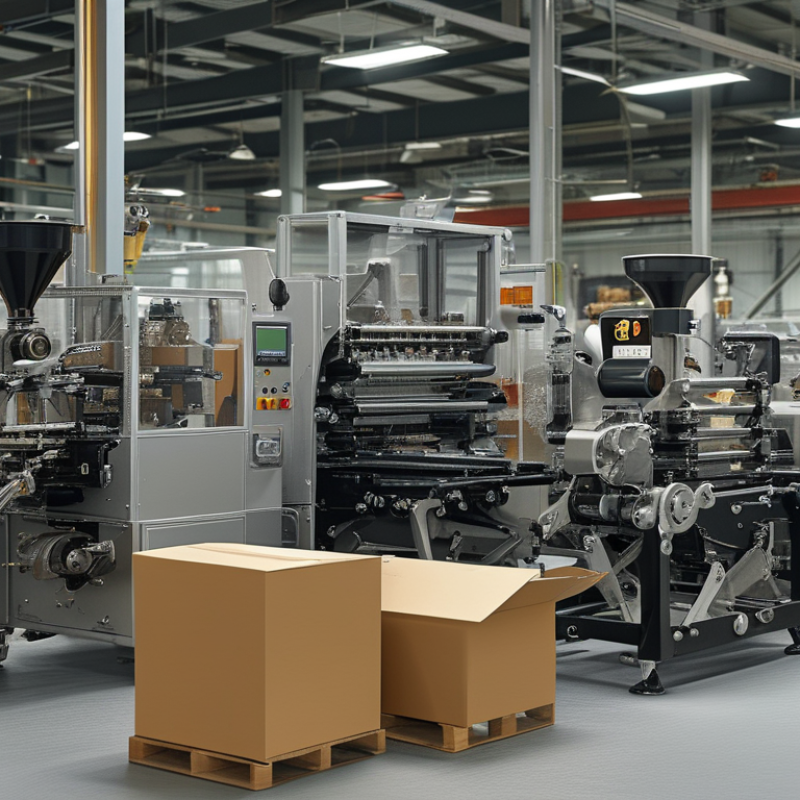
When choosing a packing machine, understanding the different types available is vital. Each type serves specific purposes and can significantly impact efficiency. For instance, vertical form fill seal machines work best for granular products like rice or dog food. They can achieve speeds of up to 120 packets per minute. In contrast, horizontal form fill seal machines are more suited for products requiring intricate packaging, such as cakes or pastries, delivering a different pace and style.
Another significant type is the cartoning machine. According to industry data, the global cartoning machine market is expected to grow by 4.2% annually. These machines handle various shapes and can pack products swiftly, streamlining the manufacturing processes. However, choosing the right machine involves more than speed and type. Consideration should also be given to the machine’s adaptability for future product lines. A machine that integrates easily with existing systems may provide long-term savings.
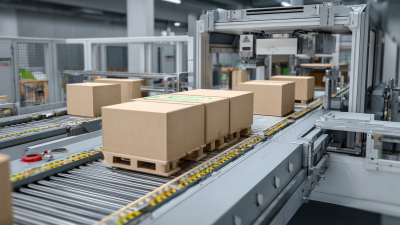
Palletizers are also essential in the packing process. They automate the stacking of boxes onto pallets, increasing efficiency. The market analysis indicates a projected rise in automation demand, with many companies seeking to reduce labor costs. Reflection on your production volume and flexibility needs is crucial when evaluating these options. Not all businesses are equipped to handle all types, and sometimes, a thorough cost-benefit analysis may lead to unexpected conclusions about the best fit for a company’s unique requirements.
Assessing Your Business Needs for Packaging Solutions
Choosing the right packing machine is crucial for your business’s efficiency. Start by evaluating your specific packaging needs. Consider the types of products you handle. Different products require different packaging solutions. For instance, liquids need specialized filling machines, while fragile items may need protective features. Think about the volume of items you package daily. A high output may necessitate a more automated system, while smaller operations might benefit from semi-automatic machines.
Assessing your business’s growth potential is equally important. If you anticipate increased demand, investing in a scalable machine could be wise. However, not all machines adapt easily to increased volume. Research your options extensively to find reliable sources of information. It's also important to consider maintenance and service support. Machines inevitably require repairs or adjustments over time. Not understanding these elements can lead to costly downtime.
Don't overlook the environmental impact of your packaging choices. Sustainable options are becoming increasingly necessary for businesses today. Customers are more aware and concerned about eco-friendly practices. Factor this into your decision-making process. Understanding your business's unique needs will guide you in selecting the right packing machine. It's a step that can significantly affect your operations and sustainability efforts.
How to Choose the Best Packing Machine for Your Business?
| Dimension |
Details |
| Production Volume |
Low (less than 100 units/day), Medium (100-1000 units/day), High (over 1000 units/day) |
| Type of Product |
Liquid, Solid, Powder, Granular, etc. |
| Packaging Material |
Plastic, Glass, Metal, Paper, etc. |
| Budget |
Low (<$10,000), Medium ($10,000 - $50,000), High (>$50,000) |
| Automation Level |
Manual, Semi-automatic, Fully automatic |
| Space Requirement |
Small (Less than 10 m²), Medium (10-50 m²), Large (More than 50 m²) |
| Speed |
Low (10-20 packs/min), Medium (20-50 packs/min), High (50+ packs/min) |
Key Features to Consider When Selecting a Packing Machine
Choosing the right packing machine is crucial for efficiency. When evaluating options, consider key features that align with your business needs. Start with the machine's capacity. Understand the volume of products you handle. A machine that cannot keep up with demand can hinder your workflow.
Look at the speed of the packing machine. Some machines offer faster packing rates. However, faster does not always mean better. It's essential to balance speed with accuracy. Machines that can pack quickly but make too many mistakes lead to waste and frustration.
Flexibility in packing options is vital. Different products may require unique packaging styles. A versatile machine can adapt to various packaging types. This adaptability can save costs in the long run. Think about the usability of the machine too. A complex interface can lead to operational errors. Staff training can be a time sink if the technology is not intuitive. Reflect on these aspects carefully for a better investment.
Top Key Features to Consider When Choosing a Packing Machine
Evaluating Budget and Cost-Effectiveness of Packing Machines
Evaluating the budget for a packing machine is crucial for any business. Start by determining your needs. Consider the volume of products you pack daily. Different machines have different capacities, which can influence your budget. It’s also essential to account for maintenance and repair costs over time. A cheaper initial price may lead to higher costs later.
Tips for budget evaluation include analyzing the total cost of ownership and not just the purchase price. Factor in energy consumption, spare parts, and the machine's lifespan. Investing in a reliable machine can save money long-term. Additionally, seek reviews from current users. This can provide insights into performance and potential hidden costs.
Don’t overlook financing options. Some manufacturers offer leasing, allowing you to spread payments over time. This can ease immediate financial pressure but requires careful assessment of your long-term budget. Reflect on whether the machine will meet your evolving needs as your business grows. Balancing upfront costs with future demands is key to making an informed decision.
Supplier Reputation and Support: What to Look For
When selecting a packing machine for your business, the supplier’s reputation is crucial. A good reputation typically indicates reliability, quality, and value. Research online reviews and testimonials from previous clients. Look for detailed feedback on customer service and product performance. If the majority of reviews praise their support, that’s a strong indicator of a trustworthy supplier.
Consider the support offered by the supplier. Timely assistance can prevent costly downtimes. Inquire about their technical support options. Are they available during weekends or after hours? A reliable supplier provides prompt responses. Ask about training for staff as well. Good training can ensure smooth operation and ultimately save time and resources in the long run. Evaluate if there are local technicians available. Proximity can enhance support efficiency.
Lastly, reflect on the level of trust you feel with a supplier. Building a relationship based on transparency is essential. If communication feels difficult or unclear, that may signal future problems. Remember, investing time in selecting a reputable supplier pays off. A machine is only as good as the support behind it.