How to Choose the Right Sachet Filling Machine for Your Needs?
Choosing the right sachet filling machine is a critical decision for manufacturers. It directly affects efficiency and product quality. As industry expert John Smith, a leader in packaging technology, states, "Selecting the right machine can save time and reduce costs significantly."
When evaluating sachet filling machines, consider your production needs. The machine must align with the type and volume of products you fill. Think about size and speed. Additionally, compatibility with different sachet materials is essential.
Reliability and user-friendliness are also critical factors. A complex machine may lead to frequent downtime. Reflect on the long-term maintenance and support offered by manufacturers. Asking the right questions is key to making an informed choice. Finding the perfect match for your needs can greatly enhance your operational success.
Understanding Different Types of Sachet Filling Machines
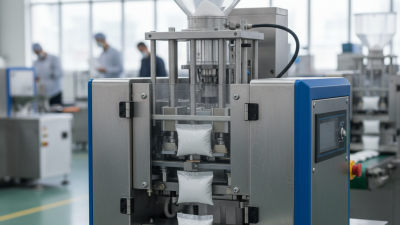
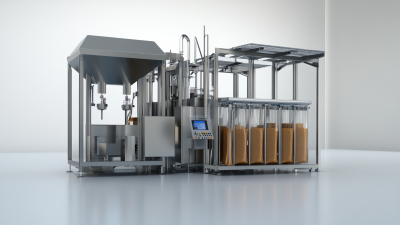
When selecting a sachet filling machine, understanding the different types is crucial. Various machines cater to specific needs, making it essential to evaluate your requirements. For example, vertical form fill seal (VFFS) machines are popular for their efficiency in packaging powders and granules. These machines create pouches from a flat roll of film, filling them as they form.
Another option is the horizontal form fill seal (HFFS) machine, ideal for products that require a more sophisticated approach. HFFS machines are useful for liquids and viscous substances. Their design allows for better control but might require more maintenance. You may find these machines complex to operate, so ensure your team is well-trained.
Consideration of semi-automatic versus fully automatic machines is important. Semi-automatic machines offer versatility, while fully automatic ones boost production speed. However, fully automatic systems can be costly and may require more space. Evaluate your budget and production volume carefully before making a decision. Each machine has strengths and weaknesses; understanding this will lead to a better choice based on your specific needs.
Evaluating Production Capacity and Speed Requirements
When selecting a sachet filling machine, production capacity and speed are critical factors. The choice should align with your specific manufacturing needs. According to a recent market study, a medium-speed machine typically achieves 30-80 sachets per minute, while high-speed machines can surpass 150 sachets per minute. Understanding your expected output is vital. Assess your annual production goals to determine the necessary speed and capacity.
Consider the type of products you will fill. For instance, powdery substances may require different handling compared to liquids. A machine's settings should be adaptable to various sachet sizes and materials. It's also worth noting that investing in a faster machine can sometimes lead to increased energy usage, which may influence your operational costs.
Evaluate existing operational workflows before committing to a specific machine. User feedback and efficiency reports often reveal areas needing improvement. Review capacity trends from different manufacturers. They can show how machines perform under various conditions.
Choose a machine that balances capacity with quality output. Don't overlook maintenance requirements associated with higher-speed machines. Ensuring reliability is as important as achieving speed. Your process needs thorough examination to align machinery selection with practical use.
Assessing Product Compatibility and Material Handling
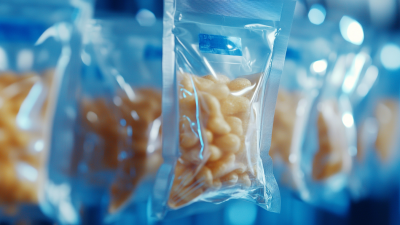
Selecting the right sachet filling machine requires a clear understanding of product compatibility and material handling. Many manufacturers face challenges with various packaging materials. For instance, a report from the Packaging Machinery Manufacturers Institute notes that about 30% of companies struggle with compatibility issues. This can lead to inefficiencies in production and increased waste.
The type of product being packaged plays a pivotal role. Liquids, powders, and granulated items all demand different handling methods. Each type has specific requirements for flowability and sealing properties. A study indicates that 25% of packaging failures stem from incorrect material choices. Selecting the right material can enhance the durability and shelf life of the finished product, making it crucial to assess.
Material handling also influences the overall machine performance. Some machines excel with specific materials but falter with others. For example, biodegradable materials may require unique handling techniques, which not all machines provide. An empirical study has shown that approximately 20% of operators report inefficiencies due to improper handling of materials. Understanding these variables helps avoid costly operational setbacks and reflects a proactive approach to packaging.
Choosing the Right Sachet Filling Machine: Product Compatibility and Material Handling
Considering Automation and Ease of Operation Features
Choosing a sachet filling machine requires careful thought, especially regarding automation and ease of operation. An automated machine can greatly enhance production efficiency by minimizing human input. It reduces errors and increases output. However, automation levels vary. Some machines offer basic automation, while others provide advanced features like programmable settings. Assess your production scale to find the right balance.
When evaluating ease of operation, focus on user-friendly designs. Machines should have intuitive controls and clear displays. This will ease the training process for operators. Complex machines may lead to confusion and errors. Always consider maintenance aspects too. An easy-to-clean machine has longer uptime and saves you valuable time in the long run.
Look for options that allow adjustments without extensive manual intervention. A machine that can switch between different sachet sizes quickly might save you on labor costs and downtime. Ensure documentation is clear and readily available. This helps in troubleshooting and routine checks. Keep in mind, however, that not all features are necessary for every business. Reflect on what aligns with your specific needs to avoid unnecessary complexity.
Budgeting and Cost Analysis for Sachet Filling Machines
Budgeting for a sachet filling machine requires careful consideration of various factors. It's essential to determine your production scale and the types of products you'll be packaging. If you're a small startup, a semi-automatic model might suffice. These machines typically cost less than fully automatic ones. However, if you're scaling up, the investment in a fully automatic machine could lead to lower long-term costs due to higher efficiency.
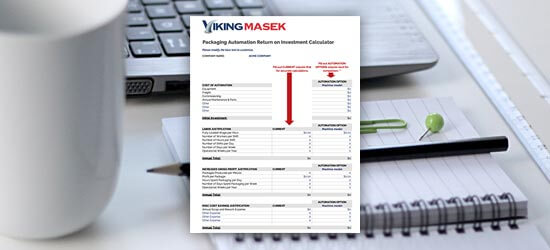
When analyzing costs, consider both initial investment and maintenance. A cheaper machine may save money upfront but could incur higher repair costs later. Evaluate the machine’s durability and warranty policy. Additionally, factor in the cost of consumables, such as film and sealing materials, which can impact your budget significantly. Keep in mind that different products may require distinct sachet sizes and shapes, affecting material costs.
Tracking operational costs is vital. Monitor the machine's performance over time. You might find that your chosen solution needs adjustments after real-world testing. Be open to reassessing your budget based on the machine’s output and reliability. A practical approach can prevent misallocation of resources and ensure that your investment aligns with your business goals.