2026 Best Compostable Stand Up Pouches for Sustainable Packaging?
As the demand for sustainable packaging grows, "Compostable Stand Up Pouches" have emerged as a viable solution. According to a recent report from the Sustainable Packaging Coalition, compostable materials can reduce landfill waste by 15%. This offers a promising path towards reducing our environmental impact. Experts like Dr. Rachel Green, a leader in sustainable packaging solutions, emphasize, "The future of packaging lies in our ability to innovate with compostable materials."
The use of compostable stand-up pouches is gaining traction among eco-conscious brands. These pouches not only offer functionality but also an eco-friendly alternative. A study showed that over 80% of consumers prefer brands that use sustainable packaging. Yet, challenges remain. Not all compostable pouches decompose as promised, raising questions about their effectiveness.
Continuous improvement is essential in this industry. While current options are more accessible, the need for improved compostability verification increases. Failure to address these issues could hinder the growth of compostable packaging. Ultimately, the transition toward sustainable alternatives is a process that requires commitment and innovation.
Overview of Compostable Stand Up Pouches and Their Benefits
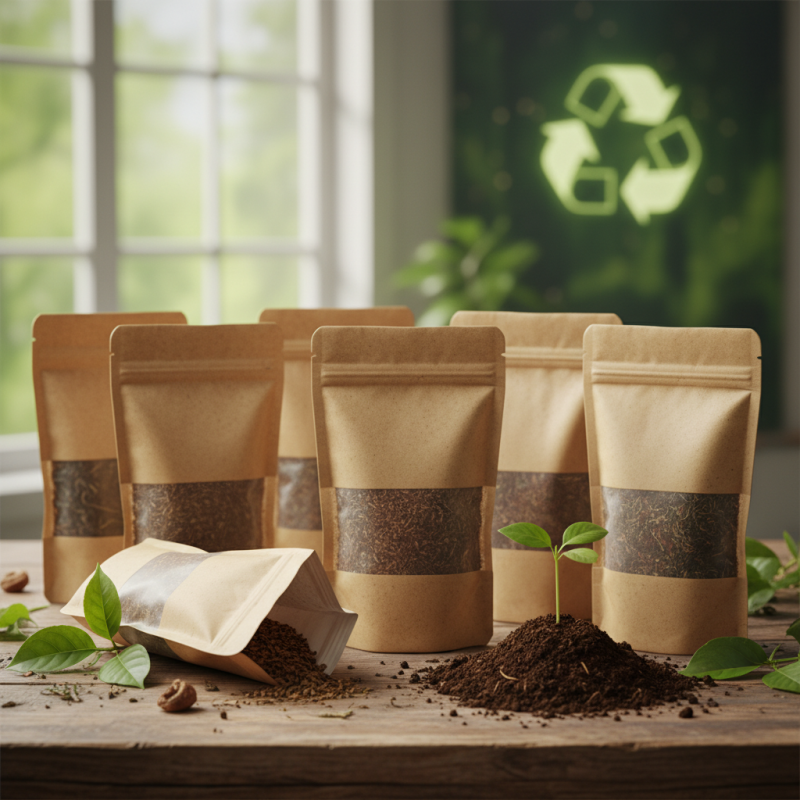
Compostable stand-up pouches represent a shift towards sustainable packaging. They are made from organic materials, allowing them to break down naturally in composting environments. A report by the Biodegradable Products Institute indicates that compostable packaging can reduce landfill waste. This aligns with the growing consumer demand for eco-friendly products, as studies show that 66% of global consumers prefer brands with sustainable packaging.
One key benefit is the reduction in plastic usage. Traditional plastic pouches can take hundreds of years to decompose. In contrast, compostable pouches can decompose within 90 to 180 days under optimal conditions. This rapid degradation helps minimize environmental impact and supports circular economy principles. However, it's crucial to consider that not all compostable materials break down in typical backyard compost; they often require industrial composting facilities.
Tip: Educate your consumers about proper disposal. Clear labeling can guide them on how to compost these pouches effectively.
Despite their advantages, some drawbacks exist. Cost can be a concern for manufacturers, as compostable materials may be pricier than traditional plastics. Additionally, not all compostable options perform equally, and testing is necessary to ensure they meet quality standards. Addressing these challenges is essential for wider adoption in the industry.
Tip: Experiment with small batches to find suitable compostable materials that fit your product needs without compromising on performance.
Key Materials Used in Compostable Stand Up Pouches
Compostable stand up pouches are gaining popularity in sustainable packaging. Various key materials are utilized in creating these eco-friendly pouches. Plant-based materials like polylactic acid (PLA) and polyhydroxyalkanoates (PHA) are foremost among them. PLA is made from corn starch and offers excellent barrier protection, making it suitable for food packaging. Reports suggest that the global bioplastics market, which includes these materials, is projected to reach $44 billion by 2027.
Another important material used is compostable paper. It can often be combined with biodegradable coatings to enhance its durability. According to industry data, compostable paper products can reduce carbon footprints by more than 30% compared to traditional plastic options. The challenge remains in ensuring that these materials are certified for commercial composting, as many facilities are not equipped to handle them properly.
Despite the advancements, there are shortcomings to address. Not all compostable materials break down effectively in home composting environments. Additionally, consumer awareness on proper disposal methods remains low. Research indicates that education on compostable products can increase proper disposal rates significantly. As the industry grows, addressing these barriers will be essential for widespread adoption and genuine sustainability in packaging solutions.
Top Brands Offering Eco-Friendly Pouch Solutions in 2026
As sustainability becomes a priority, the demand for compostable stand-up pouches is growing. Research from the Flexible Packaging Association shows that the market for sustainable packaging is projected to reach $500 billion by 2027. Many brands are now offering eco-friendly pouch solutions, making it essential for consumers to choose wisely.
In 2026, several top brands have developed innovative compostable pouches. These products not only reduce plastic waste but also maintain the durability needed for food packaging. A report by Grand View Research highlights the importance of using materials like plant-based polymers, which break down faster than traditional plastics. However, challenges remain. The composting infrastructure is often limited, and consumer education about disposal methods is critical.
Eco-friendly pouches are generally seen as a better alternative but are not without issues. Some biodegradable options still require specific conditions to decompose. This limitation can create confusion among consumers. A study by Smithers Pira indicates that many consumers are unaware of how to properly dispose of these materials. Brands must prioritize transparency and educate their audience for sustainable choices.
2026 Best Compostable Stand Up Pouches for Sustainable Packaging
| Pouch Type | Material | Capacity (mL) | Features | Certifications |
| Flat Bottom Pouch | PLA (Polylactic Acid) | 500 | Recyclable, Gusseted | BPI Certified |
| Stand Up Pouch | PBAT (Polybutylene Adipate Terephthalate) | 1000 | Resealable, Tear Notch | EN13432 Compliant |
| Zipper Pouch | Starch-based Bioplastics | 750 | Standup, Zipper Closure | OK Compost Home |
| Window Pouch | Bio-based Polyethylene | 600 | Transparent Window, Customizable | USDA Certified Biobased Product |
Consumer Preferences and Trends in Sustainable Packaging
Consumer preferences in sustainable packaging are shifting rapidly. A recent industry report revealed that 72% of consumers prefer eco-friendly packaging. This statistic highlights the growing demand for sustainable options, such as compostable stand-up pouches. These pouches provide a practical solution for brands aiming to reduce their environmental footprint while still offering convenience and functionality.
One notable trend is the increasing willingness among consumers to pay more for sustainable products. According to a survey, 61% of shoppers are ready to spend extra on items that feature green packaging. This change reflects a broader awareness of environmental issues. Brands are encouraged to adopt sustainable practices not just for compliance but also to meet consumer expectations. However, the challenge remains in the variety of materials available in the market, which can be overwhelming for both brands and consumers.
Despite the positive trends, doubts linger about the effectiveness of compostable materials. Some reports indicate that only a fraction of these products are properly composted. Many consumers are unsure of how to dispose of compostable pouches correctly. Education on proper disposal methods is required. Brands must navigate these complexities to fully satisfy consumer demand for eco-friendly packaging.
Environmental Impact of Using Compostable Packaging Options
The environmental impact of using compostable packaging options is significant. Compostable materials reduce pollution and waste. When these materials break down, they return nutrients to the soil, enhancing soil health. This process supports plant growth and biodiversity.
However, compostable pouches often require specific conditions to decompose effectively. Many home composts may not reach the temperatures needed for proper breakdown. This raises questions about the overall effectiveness of compostable solutions. Consumers must also be educated on proper disposal methods to maximize benefits.
Despite challenges, the shift towards compostable packaging is vital. It encourages businesses to innovate and consider sustainability. Each step toward compostable options represents progress. The potential of these materials can only be realized through collective effort and commitment to better practices.