


2026 Top Capsule Filling Machine Trends for Global Buyers
The global market for Capsule Filling Machines is evolving rapidly. As we approach 2026, new trends emerge that will shape the industry. These machines are essential in pharmaceutical and nutraceutical sectors. Their precision and efficiency in encapsulating powders and granules are unparalleled.
The demand for advanced Capsule Filling Machines is driven by innovation. Manufacturers are focusing on automation and user-friendly designs. This evolution not only enhances productivity but also ensures high-quality output. Buyers must consider the balance between technology and operational efficiency.
However, amidst progress, challenges persist. Some machines may require frequent maintenance, affecting workflow. Buyers must weigh these factors carefully. Understanding the evolving landscape of Capsule Filling Machines is crucial for making informed decisions. Exciting opportunities await those who navigate these trends effectively.
Emerging Technologies in Capsule Filling Machines for 2026
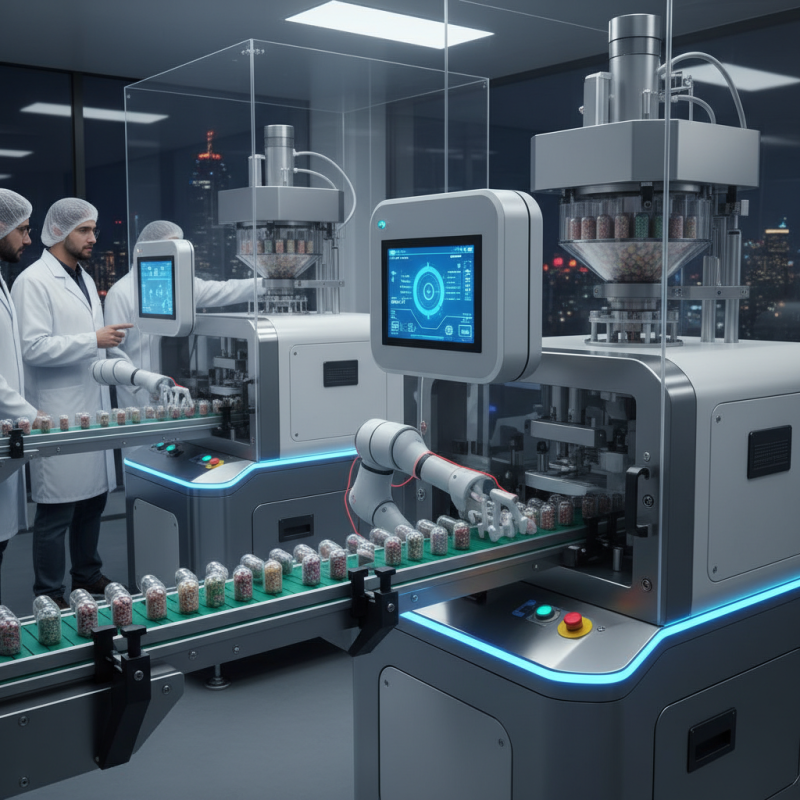
The capsule filling industry is experiencing a significant technological revolution as we approach 2026. Emerging technologies in capsule filling machines are reshaping operations worldwide. A report by MarketsandMarkets predicts a growth of about 8.5% in this market, reaching nearly $3.5 billion by 2026. Automation is a game-changer. Many manufacturers are adopting automated systems to enhance efficiency and reduce human error in production lines.
Precision is key. High-speed filling systems are now capable of operating at speeds exceeding 50,000 capsules per hour. This is crucial, as demand grows for nutraceuticals and pharmaceuticals. The use of AI and machine learning is on the rise, too. These technologies help improve quality control by analyzing data in real time. Yet, challenges remain. Not all companies have adapted to these innovations effectively. Some still rely on outdated methods.
Sustainability is equally important. More manufacturers are focusing on eco-friendly materials for capsule production. Industry reports indicate a 25% increase in demand for plant-based capsules. Companies that do not adapt may find themselves at a disadvantage. The future of capsule filling is bright, but firms must stay vigilant and responsive to these shifting trends.
2026 Top Capsule Filling Machine Trends for Global Buyers
| Trend | Description | Emerging Technology | Expected Growth (%) |
|---|---|---|---|
| Automation | Increased use of automated processes to enhance efficiency and reduce human error. | Robotic Arm Technology | 30% |
| Customization | Machines offering customizable settings for different capsule sizes and formulations. | Smart Control Systems | 25% |
| Sustainability | Adoption of environmentally friendly materials and energy-efficient designs. | Bio-based Materials | 20% |
| Remote Monitoring | Integration of IoT technologies for real-time monitoring and maintenance. | Internet of Things (IoT) | 15% |
| AI Integration | Utilization of artificial intelligence for predictive maintenance and optimization. | Machine Learning Algorithms | 35% |

Sustainability Trends in Capsule Manufacturing and Operation
The demand for sustainability in capsule manufacturing is growing. Many companies are looking for ways to minimize their environmental impact. Capsule filling machines are adapting to these trends, focusing on eco-friendly materials and processes.
Biodegradable capsules are one way manufacturers are responding. These capsules decompose more easily than traditional options, reducing landfill waste. Moreover, energy-efficient machinery can lower carbon footprints. Innovations in technology have led to machines that use less energy without sacrificing efficiency.
However, challenges remain. Not all biodegradable materials perform equally in all conditions. Some require specific storage environments to maintain their integrity. Companies must balance sustainability and functionality. This ongoing quest for improvement highlights the complexity of environmentally-conscious capsule production.
Key Features Buyers Should Look for in Modern Capsule Fillers
When considering modern capsule filling machines, buyers need to identify key features that enhance efficiency and quality. Advanced machines now offer precision volumetric filling systems to ensure accurate dosages. Industry reports indicate that automation can increase production speed by up to 40%. Many devices incorporate user-friendly interfaces, simplifying operation and minimizing training times for staff.
Another critical aspect is the machine's ability to handle various capsule sizes and materials. Flexibility in design allows manufacturers to fill hard and soft capsules without major adjustments. Data suggests that versatility can result in a 20% reduction in downtime. Additionally, the integration of advanced monitoring systems helps ensure consistent quality control, which is a priority for buyers.
However, some machines may struggle with complex formulations. This limitation can lead to critical failures during production. Identifying potential challenges early can save time and costs in the long run. It’s important for buyers to conduct thorough research, ensuring the selected equipment aligns with their specific needs and quality standards.
Market Insights: Demand and Innovations in Capsule Filling Equipment
The demand for capsule filling equipment is on the rise. This increase reflects broader trends in health and wellness. Consumers prefer supplements and medications in capsule form. Their convenience and effectiveness make them a popular choice. As a result, innovation in capsule filling machines is crucial.
Recent advancements focus on enhancing speed and accuracy. Modern machines streamline the filling process, reducing human error. Additionally, automation plays a significant role. Automated systems can handle a higher volume of production. This shift not only meets market demands but also improves overall quality.
However, challenges remain. Not all manufacturers can keep up with rapid technological advancements. Smaller companies may struggle to adopt new solutions. They often face budget constraints. Moreover, sustainability concerns are growing. The industry must address the environmental impact of production. It's a complex landscape where adaptability is key.
Safety Regulations Impacting Capsule Filling Machine Designs in 2026
In 2026, safety regulations will strongly influence the design of capsule filling machines. The pharmaceutical industry increasingly prioritizes compliance with strict guidelines. This trend reflects a growing need for enhanced quality control. Data from industry reports indicate that 70% of manufacturers are investing in safety features to meet regulatory standards.
Key safety features include advanced monitoring systems and automated shut-off mechanisms. These innovations help prevent contamination during the filling process. According to a recent survey, 85% of companies believe that prioritizing safety will improve their market competitiveness. Yet, the focus on regulation can occasionally stifle innovation. Some manufacturers struggle to balance compliance with creative design.
Moreover, sustainability is becoming crucial alongside safety. The industry is pushing for machines that minimize waste and use eco-friendly materials. Many companies find it challenging to adapt to these dual pressures. It’s essential for manufacturers to remain nimble yet reliable. Adjustments can lead to production setbacks that affect timelines. Meeting safety standards while fostering creativity remains a complex but necessary endeavor in the evolving market landscape.


