


2026 Best ABA Blown Film Machine What to Look For?
Choosing the right aba blown film machine can significantly impact your production quality. In 2026, the market for these machines is evolving rapidly. Manufacturers are constantly innovating, leading to new features and capabilities.
When selecting an aba blown film machine, consider several key factors. Think about the machine's efficiency, speed, and versatility. Different setups may suit various production needs. For example, some machines are ideal for thicker films, while others excel in thinner applications. The right choice can help reduce waste and improve profitability.
As you explore options, reflect on previous experiences with machinery. Were there features that worked well or missed the mark? Understanding your specific requirements will guide your decision-making. Ultimately, investing in the right ABA blown film machine is crucial for your business's success.
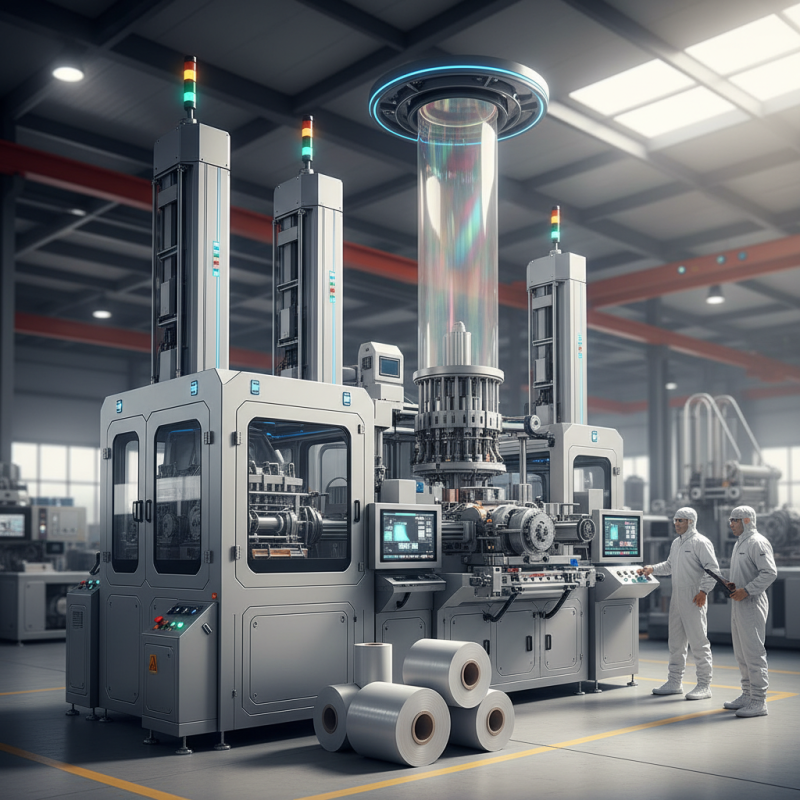
Understanding ABA Blown Film Technology and Its Applications
ABA blown film technology is a versatile process used to create multilayer films. This technology is crucial for producing films with specific properties. For instance, ABA films can offer enhanced barrier properties and improved strength. These films find applications in packaging, agriculture, and even medical supplies.
When selecting an ABA blown film machine, consider its ability to adjust parameters easily. This flexibility can significantly impact production quality. A machine that allows quick changes helps address specific production needs. Pay attention to the die design. A well-designed die ensures an even thickness across the film. This is crucial for maintaining quality control during production.
Tips: Always evaluate the machine's energy consumption. Machines that use less energy can lead to cost savings. Check for user-friendly controls. Ease of operation can reduce training time for new staff. Also, reflect on the maintenance aspects. Regular maintenance can prevent costly downtimes.
Key Features to Consider in ABA Blown Film Machines
When selecting an ABA blown film machine, several key features are crucial to consider. The extrusion system is central to the machine's performance. A reliable extruder ensures consistent film thickness and quality. Look for precise temperature control and adjustable speed settings. These factors contribute to the quality of the finished product.
Another important element is the die design. An effective die can significantly enhance film flatness and reduce defects. Various die types exist, each suited to specific film requirements. Adjustability in the die settings allows for customization based on the type of materials used. Issues with die alignment can lead to uneven films, which may require troubleshooting.
Finally, operator ease must not be overlooked. User-friendly interfaces and controls can minimize training time. Complex machinery can lead to errors if operators are not comfortable. It's essential to factor in maintenance requirements too. Machines that demand frequent repairs can disrupt production schedules and increase costs. Choosing a machine with accessible parts and a clear manual can be beneficial.
2026 Best ABA Blown Film Machine - Key Features to Consider
| Feature | Description | Importance |
|---|---|---|
| Material Compatibility | Can process a variety of materials such as LDPE, LLDPE, and HDPE. | High |
| Production Speed | Ability to produce up to 400 kg/hour. | High |
| Film Thickness Range | Can produce films ranging from 10 to 200 microns. | Medium |
| Energy Efficiency | Low energy consumption and eco-friendly designs. | High |
| Control Systems | Advanced PLC control with touchscreen interface. | Medium |
| Safety Features | Emergency stop buttons and safety interlocks. | High |
| Maintenance Requirements | Easy access for maintenance and parts replacement. | Medium |
| Customization Options | Offers options for custom configurations and sizes. | Medium |
Evaluating Machine Performance and Efficiency Metrics
When evaluating a blown film machine, performance and efficiency are vital metrics to consider. Key factors include the machine's output rate, temperature control, and the consistency of the film produced. This can determine the final product's quality and suitability for various applications. Manufacturers often use different technologies, leading to varying degrees of efficiency in energy consumption and waste management.
A machine with good performance will exhibit minimal film defects. Look for features that enhance precision, yet not every model excels in this regard. Some might struggle with uniform thickness or clarity. It's crucial to weigh these characteristics against production goals and material costs. Efficiency also involves downtime; frequent malfunctions translate to lost revenue. Thus, understanding the machine's maintenance needs is essential.
In the search for the best blown film machine, it's important to reflect on your specific requirements. What volume do you need to produce? Are sustainability and waste reduction significant for your operations? Machines that perform well are not always the most efficient. That gap is worth examining. Balancing performance and efficiency is an ongoing challenge in the industry.
Importance of Material Compatibility in Film Production
When producing blown films, material compatibility is critical. Different materials can lead to various quality outcomes. For example, polyethene (PE) and polypropylenes (PP) each have unique properties. Mixing these without careful consideration can cause weak spots or defects in the film. Therefore, understanding the material characteristics is vital for achieving the desired film properties.
Tips: Research the properties of different polymers. Pay attention to their melt flow rates and tensile strength. Testing small batches can save time later.
Each material brings its own set of challenges. For example, some materials may not adhere well to others. This could lead to delamination. It’s essential to evaluate the compatibility early in the production process. Using additives can sometimes help, but they can also complicate interactions. The goal is to create films that meet specific quality standards without risking consistency.
Tips: Keep a log of compatibility tests. Document any issues faced during production. Reflecting on past experiments can prevent future errors. Balancing material properties is an ongoing learning journey.
Maintenance and Support for ABA Blown Film Machines
Maintaining ABA blown film machines is vital for optimal performance. Regular inspection and cleaning can reduce potential issues. Studies show that proper maintenance can extend machine life by up to 30%. This is significant for manufacturers aiming to minimize downtime.
Support is another crucial aspect. Operators should have access to technical support and training. Research indicates that over 40% of equipment failures arise from operator errors. Providing clear, concise manuals and training sessions can mitigate these risks. It's essential to ensure that staff understands the machine's features and operating parameters.
Investing in preventive maintenance pays off. Cost analysis reveals that proactive maintenance can save companies 15-25% in operating costs over time. However, many firms struggle to implement consistent maintenance schedules. They often leave it to chance, which leads to unexpected breakdowns. Addressing these issues before they escalate is crucial to production efficiency.


